

Breast Screening
Breast screening is offered to all women every 3 years between the ages of 50 and 70.
It uses an X-ray called a mammogram to look for signs of breast cancer.
Screening can find breast cancer early, even before you can see or feel anything unusual. When breast cancer is found early, it’s usually easier to treat.
In the UK, breast screening helps save around 1,300 lives every year.
What is breast screening?
Frequently asked questions about breast screening
-
Breast screening uses an X-ray to check your breasts for signs of cancer. This test is called a mammogram.
A mammogram can find breast cancer early, even when it’s too small to see or feel. When cancer is found early, treatment usually works better, and there’s a good chance of recovery.
Screening doesn’t stop you from getting breast cancer, but it can help find it early, when it’s easier to treat.
If you’d like to know more about breast screening, visit the breast screening page on the GOV website.
-
If you’re a woman aged 50 to 70, you’ll be invited for breast screening every 3 years.
Your first invite will come sometime between your 50th and 53rd birthday – so if you’ve just turned 50 and haven’t had a letter yet, don’t worry, it’s on the way.
Breast cancer is more common as we get older. Around 4 out of 5 cases are found in women over 50. That’s why screening starts from this age.
What about trans and non-binary people?
If you’re a trans woman or non-binary person who is registered as female with your GP, you’ll be invited for breast screening.
If you’re a trans man or non-binary person registered as male, you won’t be invited automatically – but you can speak to your GP to find out if screening is right for you.
Missed your appointment?
That’s OK – you can rearrange it by calling your local breast screening unit. You’ll find the phone number on your invitation letter.
-
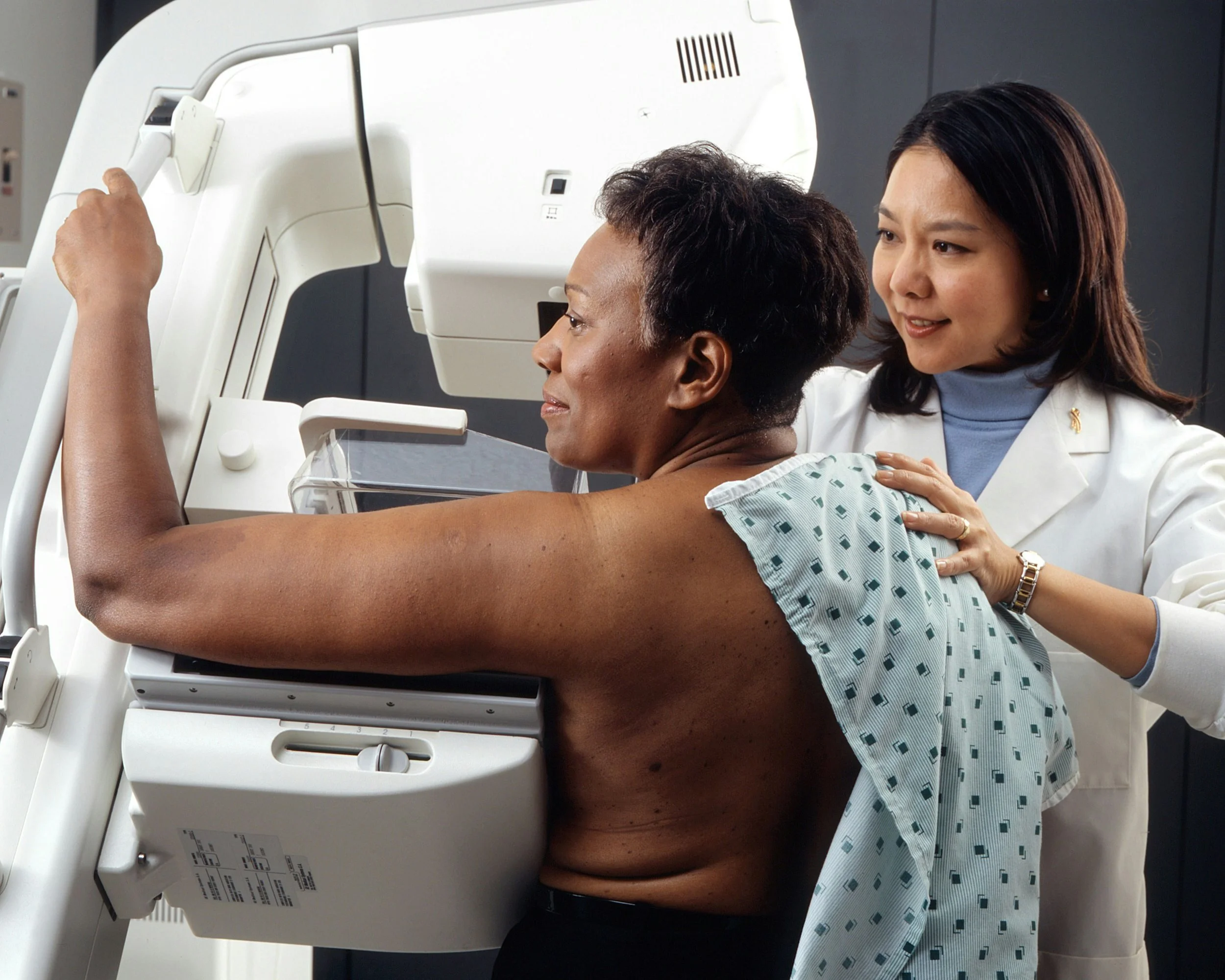
For your mammogram (breast X-ray), you’ll need to undress from the waist up. Wearing a top with trousers or a skirt can make things a bit easier.
The test is done by trained female staff, called mammographers. They’ll explain what’s going to happen and are there to help. You can ask questions at any time if you’re not sure about anything.
You’ll stand in front of an X-ray machine. One breast is placed on the machine and gently pressed down with a plastic plate. This keeps it still and helps take a clear picture.
It can feel a bit uncomfortable, and for some people, it might hurt – but it only lasts a few seconds.
Usually, two X-rays are taken of each breast – one from the top and one from the side. The mammographer will step behind a screen while each X-ray is taken. You’ll need to keep still each time.
The whole appointment usually takes less than 30 minutes, and the mammogram itself only takes a few minutes.
You’ll get a letter with your results within 2 weeks.
Still feeling unsure? The Nuffield Health charity has a short video that shows what to expect. It shows the machine, how you’ll need to stand, and what the room looks like. To watch the video, visit Youtube.
-
You’ll get a letter with your results within about 2 weeks of your breast screening. A copy will also be sent to your GP.
For most people, the results are normal. About 96 out of every 100 women who are screened won’t have any signs of cancer.
Sometimes, you might be asked to come back for more tests. This happens in around 4 out of every 100 screenings.
Being called back doesn’t always mean something is wrong. It could just be that the pictures weren’t clear, or the team needs to take a closer look.
Of those 4 people who are called back, 1 will be found to have cancer. The others won’t, and they’ll go back to being invited every 3 years, like normal.
-
Breast screening doesn’t stop you getting breast cancer, but it can help find it early; before you can see or feel anything.
When breast cancer is found at an early stage, it’s usually easier to treat. You’re also less likely to need chemotherapy or have your breast removed.
Finding and treating cancer early saves lives. Breast screening helps save around 1,300 lives every year in the UK.
Like all medical tests, there are some small risks. You can read more about these on the risks and benefits of breast screening on the GOV website.
-
There are lots of helpful websites where you can find out more information.