

Cervical Screening
What is cervical screening?
Cervical screening (also known as a smear test) is a test for women aged 25 to 64. It checks for any unusual cells in the cervix (the lower part of the womb) that could turn into cancer if they’re not treated.
A nurse will use a soft brush to gently take a small sample of cells from the cervix. The test only takes a few minutes.
You might also hear it called a smear test, it’s the same thing.
Cervical screening helps stop cervical cancer from developing. It saves thousands of lives every year in the UK.
Want to know more? The NHS has a cervical screening guide that explains what the test is, when to go, and what to expect.
Visit the NHS website for more information.
Frequently asked questions about cervical screening
-
Cervical screening looks for unusual cells in the cervix (the lower part of the womb). These cells could turn into cancer if they aren’t treated.
In England, cervical screening helps stop around 70% of cervical cancer deaths.
What causes cervical cancer?
Most cases of cervical cancer are caused by a virus called HPV (human papillomavirus).
HPV is very common. Most people will get it at some point in their lives. It spreads through any kind of sexual contact, with men or women.
Most types of HPV don’t cause harm. But some types can lead to changes in the cells of your cervix. These changes don’t cause symptoms, but if they’re not found and treated, they can turn into cancer over time.
Why screening matters
Cervical screening can spot those changes early, so you can get the right tests or treatment before anything becomes serious.
Even if you’ve had the HPV vaccine, screening is still important. The vaccine doesn’t protect against every type of cervical cancer, so regular checks help make sure everything is okay.
Want to know more? Visit the Macmillan website.
-
Cervical screening is offered every 3 years from age 25 to 49, and then every 5 years from age 50 to 64.
Screening helps lower your chances of getting cervical cancer by finding unusual cells early – before they have a chance to turn into something more serious.
It doesn’t matter who you’ve had relationships with, what your background is, or if you’ve had the HPV vaccine – cervical screening is still important for your health.
Missed your last test?
If you’ve missed your last screening, you don’t need to wait for another letter. You can contact your GP practice or local sexual health clinic to book an appointment.
What if I’m transgender or non-binary?
If you’re a trans man and your GP has you registered as female, you’ll get an invite for screening.
If you’re registered as male but still have a cervix, you won’t get an invite automatically – but your GP can help you book an appointment.
Trans women don’t need cervical screening, because they don’t have a cervix.
If you’re transgender, non-binary or intersex and feeling unsure about screening, Cancer Research UK has helpful information to support you. Visit the Cancer Research UK website for more support.
There’s also advice on The Eve Appeal website for healthcare staff to help make screening more comfortable for everyone. Visit The Eve Appeal website for more information.
-
Cervical screening is usually done by a female nurse or doctor. If that’s important to you, just let your GP practice know when you book – they’ll do their best to make sure you see a woman.
The test itself only takes a minute or two, and your whole appointment is usually done in about 10 minutes.
What to wear
Depending on what you’re wearing, the nurse or doctor might ask you to:
undress from the waist down, or
lift up your skirt or dress and take off your underwear
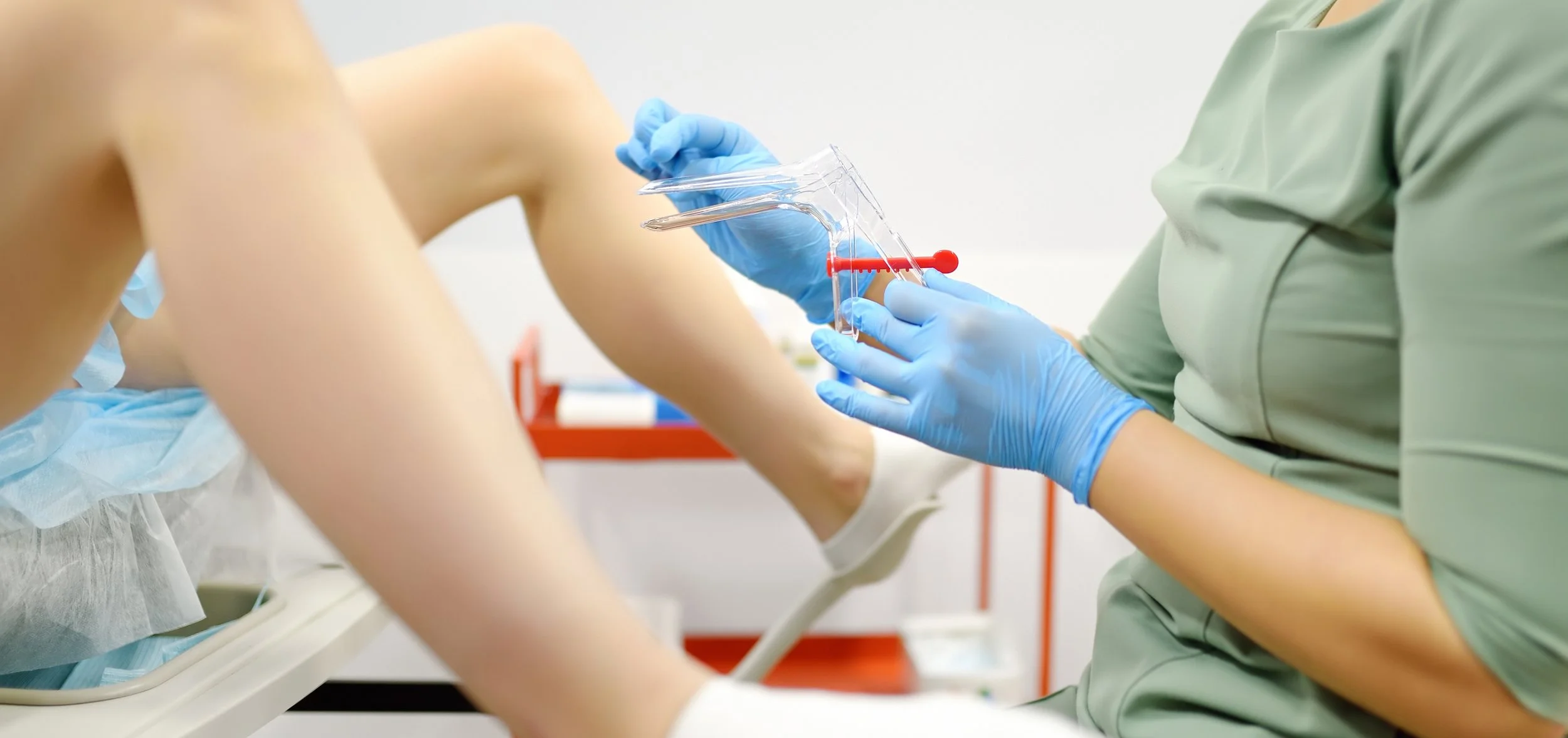
You’ll lie down on a bed with your knees bent and apart. A paper towel or sheet will usually cover your stomach and hips to help you feel more comfortable.
What the test is like
The nurse or doctor will gently put a small plastic device (called a speculum) into your vagina so they can see your cervix. It might feel a bit strange, but it shouldn’t hurt. A clean speculum is used every time.
They’ll then use a soft brush to take a small sample of cells. You might feel a bit of discomfort, but it’s over quickly. If anything hurts or feels too uncomfortable, let them know – they can stop or make changes to help you feel more at ease.
You’re in control
It’s totally normal to feel nervous, especially if it’s your first time. Let the nurse or doctor know how you’re feeling. You can ask to pause or stop the test at any time – you are always in control.
Extra support
If you’re transgender, non-binary or intersex, cervical screening might feel more complicated. Cancer Research UK has helpful advice and support made just for you. Visit the Cancer Research website for more information.
-
Your results letter will tell you what tests were done and what your results mean.
You won’t get your results straight away – your sample is sent to a lab to be checked. You should get your letter within 2 weeks. If there’s going to be a delay, the nurse or doctor will let you know.
Sometimes results take a bit longer to come back. Try not to worry – this doesn’t usually mean anything is wrong.
What your results might say
Most people get a normal result, which means no further tests are needed. You’ll be invited again in 3 or 5 years, depending on your age.
Sometimes, you might be asked to come back in 3 months to do the test again. This doesn’t mean something is wrong – it just means the results weren’t clear.
If your results show something unusual, your letter will explain what happens next. This could be:
no treatment needed – just keeping an eye on things
another cervical screening test in a year
a test called a colposcopy – this is when a doctor or nurse uses a special magnifying camera to look more closely at your cervix. The camera stays outside your body – it just helps them see better.
You can visit the NHS website to find out more about cervical screening and what your results mean.
-
Cervical screening can find changes early and help stop cervical cancer from developing. It saves thousands of lives every year in the UK.
Most cervical cancers are caused by a very common virus called HPV. There are lots of types of HPV, but only some types can lead to cancer. These types don’t cause any signs or symptoms, so you might not know anything is wrong – that’s why screening is so important.
Like all medical tests, cervical screening has some small risks, like light bleeding or feeling sore afterwards.
If you’d like to know more, you can visit the cervical screening page on the NHS website, or talk to your GP or practice nurse.
-
Feeling worried about cervical screening? You’re not alone
It’s normal to feel nervous about cervical screening. For some people, it can feel especially difficult – especially if you’ve been through sexual violence, trauma, or are living with a mental health condition.
Nearly half of people who’ve experienced sexual violence say it’s stopped them from going for screening. If this sounds like you, please know you’re not alone, and support is available.
Help is out there
There are helpful guides out there that can support you before and during your appointment. They cover:
how to feel more in control during your appointment
how to talk to the nurse or doctor about your worries
a checklist to help you feel more prepared
You have the right to feel safe, listened to, and in control the whole time. For more information, visit the cervical screening support page on the GOV website.
Support from ARCH Teesside
ARCH Teesside offers private support for anyone who has experienced sexual violence; no matter when it happened.
Their trained team understands that screening can be hard. They can support you and help you feel more confident.
They also offer:
a toolkit to help guide you
trauma support cards you can take to your appointment. These help explain your needs to the nurse, so they can take extra care and explain each step clearly
You can contact ARCH Teesside by calling 01642 822331 or visit the ARCH website for more information.
More support
Rape Crisis England and Wales also has helpful advice and information. You can find local support services and guides on the Rape Crisis England website.
-
There are lots of helpful websites where you can find out more.