

NHS Health Check
You should be invited by your GP for an NHS Health Check every 5 years. If you’re unsure when you last had one, it’s a good idea to contact your GP practice.
We also offer walk‑in sessions at community venues, across Middlesbrough and Redcar & Cleveland, which you can attend without an appointment. More information on sessions coming soon!

The NHS Health Check is a free health check for adults aged 40 to 74.
It looks for early signs of problems like:
Heart disease
Stroke
Kidney disease
Type 2 diabetes
Dementia
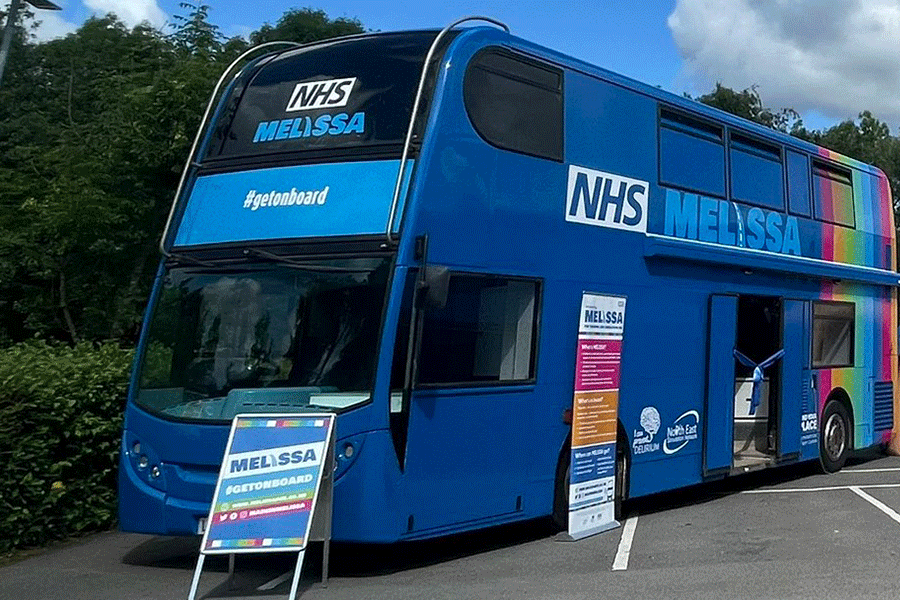
You can have your health check at your GP surgery, and in some areas, they’re also available in community venues.
What is the NHS Health Check?
Where can I go for my NHS Health check?
Frequently asked questions about the NHS Health Check
-
The NHS Health Check looks for signs that you might be more at risk of:
heart disease
stroke
kidney disease
Type 2 diabetes
dementia
Sometimes, these health problems can start without any signs or symptoms – so you might not know anything is wrong.
Your health check can help you understand your risk level. This means you can make small changes to your lifestyle now, to help keep you healthier in the future.
-
The NHS Health Check looks for early signs of heart disease, stroke, kidney disease, type 2 diabetes, and dementia.
If you’re aged 40 to 74 and haven’t already been diagnosed with one of these conditions, you’ll be invited for a free health check every 5 years.
Your GP will send you a letter when it’s time for your check.
If you think you should have had a check but haven’t been invited in the last 5 years, contact your GP to ask about it.
If you’re younger or older than the age range and you’re worried about your health, it’s still a good idea to speak to your GP.
-
Your NHS Health Check will take about 20 to 30 minutes.
You’ll be asked some simple questions about:
your family history
your lifestyle, like how much you move, what you eat, and if you smoke or drink alcohol
The nurse or health professional will check your:
height and weight
age, sex and ethnicity
blood pressure
cholesterol levels (this is done with a quick blood test)
These checks help build a clear picture of your health and your risk of certain conditions.
-
After your check, you’ll get a heart and stroke risk score. This gives an idea of how likely you are to get heart disease or have a stroke in the next 10 years.
You’ll also find out if you might be at risk of getting kidney disease or type 2 diabetes.
Someone will talk you through your results and explain what they mean. Sometimes, people are asked to come back on another day to get their results.
You’ll also get personal advice to help you stay healthy and lower your risk.
You might need more checks
If your blood pressure is high, you may need a blood test to check your kidneys.
Some people may also need a blood test for type 2 diabetes. The nurse or health professional will let you know if this applies to you.
If needed, you may be offered treatment or medicine to help keep you well.
-
Even if you feel fine, it’s still a good idea to have your NHS Health Check.
The check can spot early signs of health problems, even if you don’t have any symptoms.
This means you can work with your nurse, doctor or health team to make small changes now, and lower your risk of becoming unwell in the future.