

Teenage Vaccines in South Tees
Vaccines for teenagers in Middlesbrough and Redcar and Cleveland
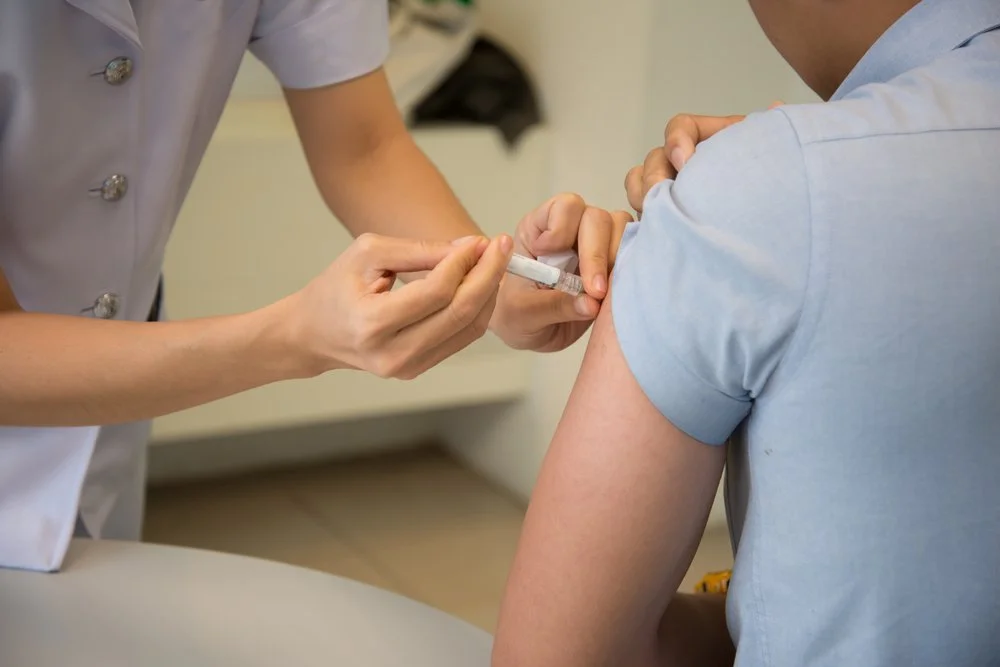
During secondary school, young people are offered free vaccines to help protect them from serious but preventable diseases.
These vaccines help the body’s immune system learn how to fight off certain illnesses. They are an important part of staying healthy now and in the future.
Before each vaccine clinic, parents or carers will be asked to fill in a consent form. This only takes a few minutes and helps make sure the young person can get their vaccine safely in school.
If you're a teenager or a parent, there are lots of easy-to-understand videos that explain what vaccines are, which ones are offered to young people, what happens when you get a vaccine, and how the consent process works.
You can watch all the videos on the ADPH North East website.
Flu protection – Years 7 to 11
Flu can make young people feel very unwell. It can cause a high temperature (fever), body aches, and problems with breathing. Flu can also make other health problems worse, such as asthma or heart conditions. In some cases, flu can become very serious.
Because the flu virus changes every year, a free flu nasal spray (a quick spray up the nose) is offered each autumn to young people in Years 7 to 11.
The nasal spray helps protect the young person and also helps stop flu spreading to others who might become very poorly.
Find out more about the flu vaccine.
The HPV vaccine - Year 8
The HPV vaccine helps protect against certain types of Human Papilloma Virus (HPV). These types of HPV can cause genital warts and may lead to some types of cancer later in life, including cervical cancer (cancer of the neck of the womb).
The vaccine is a safe and effective way to help protect young people’s health. It gives long-lasting protection and helps reduce the risk of these health problems in the future.
The 3-in-1 booster vaccine – Year 9
The 3-in-1 booster vaccine, helps protect you from three serious illnesses - tetanus, diphtheria, and polio. It tops up the protection you got from the 6-in-1 vaccine as a baby and the 4-in-1 booster before starting school.
Most young people get this vaccine at 13 or 14 years old (Year 9) as part of the NHS vaccination schedule. It’s also recommended for anyone at higher risk of these illnesses.
The MenACWY vaccine – Year 9
The MenACWY vaccine helps protect young people against four types of harmful bacteria – types A, C, W and Y.
These bacteria can cause meningitis (a serious infection that affects the brain and spinal cord) and blood poisoning. These illnesses can lead to life-changing problems such as hearing loss, brain damage, or the need to have limbs amputated (surgically removed).
The vaccine is a safe and effective way to protect young people from these serious health problems.
The measles, mumps, and rubella vaccine (MMR)
If a young person missed one or both doses of the Measles, Mumps and Rubella (MMR) vaccine as a child, they may be able to have it at school instead.
Parents or carers will be asked to give consent before the vaccine is given. This helps make sure the young person is protected from these three serious illnesses.
Make sure your child doesn’t miss out
Talk to them about the vaccines they will be offered.
Look out for the consent form from school - fill it in and send it back quickly.
Speak to your school nurse or GP if you have any questions.
Vaccines protect young people from serious illness.
Help keep them safe, strong, and healthy.