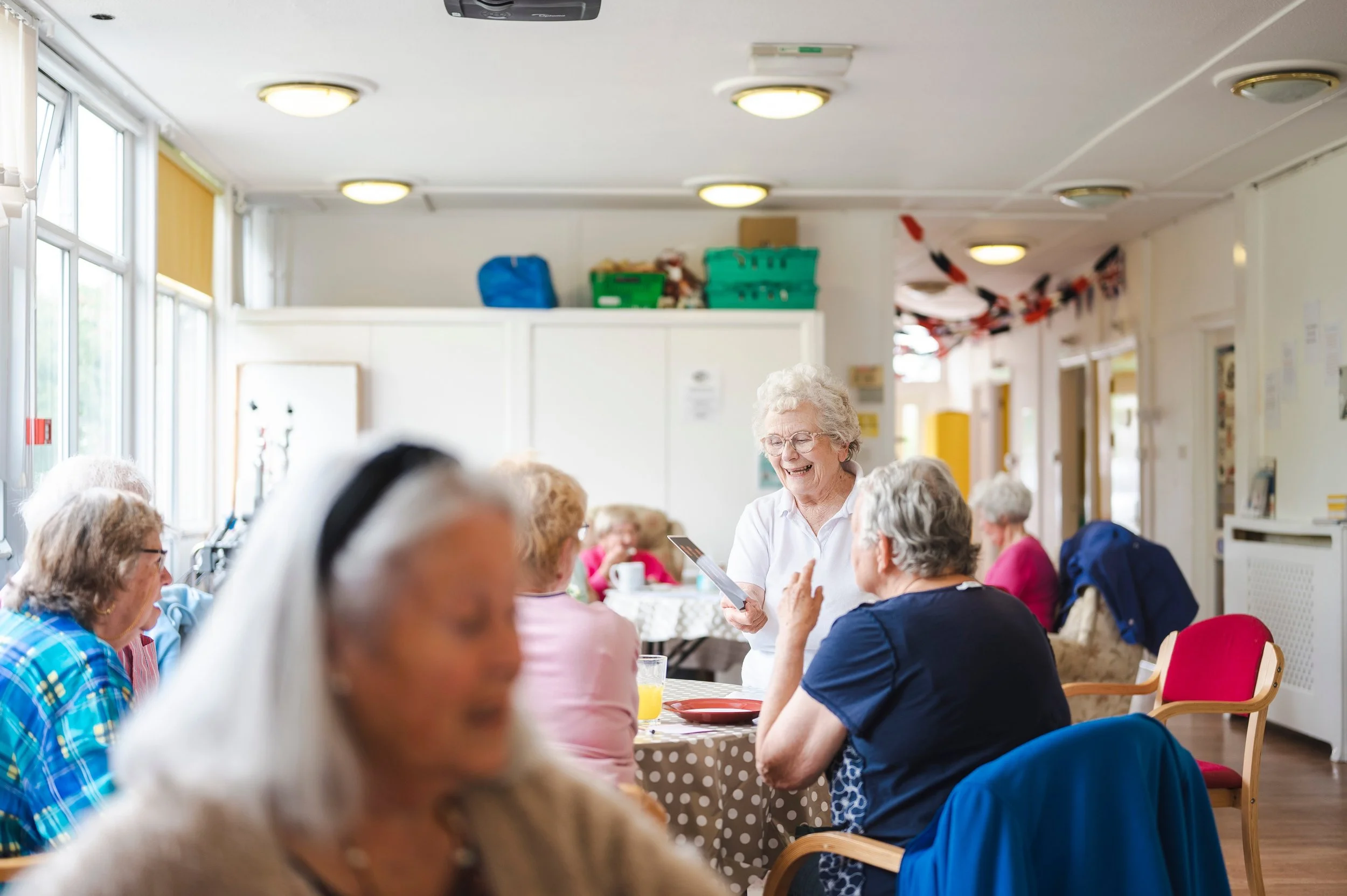
Ageing Well - South Tees
Quick links: Ageing Well Services
Staying healthy and happy as you get older
Ageing well means different things to different people. For many, it’s about staying healthy, having energy, and continuing to enjoy life as we get older.
It’s not just about physical health. Looking after your mental wellbeing is just as important. Staying connected to others and keeping a positive outlook can also make a big difference.
Feeling well, doing things you enjoy, and staying in touch with people all help support healthy ageing. Being active, adapting to change, and finding meaning in day-to-day life are also important.
In South Tees, we want more people to live safe, healthy, and independent lives as they age. We are working to improve and protect the health and wellbeing of older adults across Middlesbrough and Redcar & Cleveland.
We encourage everyone to:
take care of both body and mind
stay connected to family, friends, and community
make time for activities that bring joy and purpose
Together, these things can help people age well and continue to live life to the fullest.
Falls can seriously affect someone’s health, especially as they get older. That’s why we have a plan in South Tees to help prevent falls and support people to stay safe and steady on their feet.
The South Tees Falls Prevention Strategy aims to reduce the number of falls in Middlesbrough and Redcar and Cleveland by offering clear advice and practical support.
One part of the strategy is a self-help programme called Steady on Your Feet. It’s designed for people aged 65 and over and includes tips on staying active, safe, and independent.
You can find out more by visiting the Steady on Your Feet website.
Partners are working collaboratively to improve local services by identifying where support is missing. This helps us plan how to strengthen and grow what’s available in the future.
Our work follows national guidance from NICE (National Institute for Health and Care Excellence), so we’re using trusted evidence to help keep people safe.
Find out more on the South Tees NHS website
Falls prevention
Dementia is a word used to describe a group of symptoms caused by damage to the brain. These symptoms get worse over time and can affect how a person thinks, remembers, and behaves.
People with dementia may have problems with memory or feel confused. They might need support with everyday tasks or find it hard to understand words and follow conversations. Some people may also experience changes in their behaviour.
Dementia is a progressive condition, which means symptoms usually start off mild but become more serious over time.
There are different types of dementia. The most common is Alzheimer’s disease, followed by vascular dementia.
Each type affects the brain in different ways, but all forms of dementia can make daily life more difficult as time goes on.
Although dementia can be challenging, there is support available.
With the right help, many people with dementia can continue to live well for as long as possible.
To learn more about the signs of dementia, what causes it, and how it can be treated, visit the Alzheimer’s Society website.
To find out about support and activities available in Middlesbrough, visit Middlesbrough Council’s website.
To find out about support and activities in Redcar and Cleveland, visit Redcar and Cleveland Council’s website.
Dementia
Explore our Ageing Well services
-
A dementia-friendly community is welcoming, supportive, and easy to live in for people with dementia.
It helps people with dementia, along with their families and carers, stay involved in daily life with confidence and respect.These communities are important because they reduce stigma (unfair attitudes or negative beliefs about dementia) and promote understanding.
They also help people feel included, supported, and treated with kindness.By making small changes, we can help people with dementia stay independent for longer.
This creates places where everyone feels valued and able to take part in everyday life. -
Dementia Action Teesside is a local charity working to make Middlesbrough and Redcar and Cleveland more supportive places for people living with dementia and their carers.
Dementia is an illness that affects the brain. It can cause memory loss, confusion, and problems with everyday tasks, which can make life feel overwhelming or isolating.
To help, we’re encouraging local businesses and organisations to take simple, low-cost steps to support people with dementia.
Even small changes like being patient, using clear signs, or offering a quiet space – can make a big difference.
These actions help people feel safe, understood, and welcome in their community.
If your business would like to become more dementia-friendly, you can join our dementia-friendly programme. It’s quick, free, and easy to sign up.
To find out more:
Visit the Dementia Action Teesside Website
Contact Marie Kerr by emailing marie@dementiaactionteesside.org or calling 07544 859 951
For general enquiries, email info@dementiaactionteesside.org
-
Become a Dementia Friend
A Dementia Friend is someone who learns a little bit about what it’s like to live with dementia, and then uses that knowledge to help others.
The Dementia Friends Information Sessions are run by the Alzheimer’s Society. They help people understand dementia better and show how small actions can make a big difference. The aim is to help people with dementia feel more supported and included in their community.
People living with dementia often want to keep doing everyday things, like shopping or meeting friends. But sometimes they need a bit of help.
By becoming a Dementia Friend, you can learn how dementia affects someone and how you can support them. This could be as simple as being patient in a queue or spending time with someone who has dementia.
Dementia Friendly Ambassadors are trained volunteers who run these sessions. They can deliver them in person or online.
The sessions are friendly and interactive. You’ll learn more about dementia and think about small ways you can help people living with it.
To book a 1-hour information session, please contact:
Jenny Yafano - 01642 728747
Jenny_yafano@middlesbrough.gov.uk
Or
Emma McInnes on 01642 728756 or email emma_mcinnes@middlesbrough.gov.uk
For more information on being a Dementia Friend or on Dementia Friendly Communities please go to the Dementia Friends website.
Or visit their Facebook page.
-
An Age Friendly Community is a place that supports people to live well as they get older.
It means making it easier for older adults to stay healthy, feel safe, and keep doing the things they enjoy – whether that’s going for a walk, meeting friends, volunteering, or simply getting out and about.This includes making sure our transport, housing, streets, and public spaces work for people of all ages.
It also means creating communities where older people feel respected, included, and able to take part in local life.The idea comes from a guide by the World Health Organisation, based on what older people said they need to live well.
This includes:Good public transport
Safe, comfortable housing
Opportunities to be social and active
Feeling listened to and valued
Being able to work or volunteer
Clear information and good local services
Access to outdoor spaces that are easy to enjoy
In South Tees, we want to make sure everyone feels they belong – no matter their age.
Find out more by watching a short video about Age Friendly Communities on YouTube.
-
This training session is designed to help people understand what it means to make Middlesbrough a more age friendly place to live.
It is ideal for anyone who works with the public or wants to make their organisation more inclusive for older people.What does the training cover?
What we mean by “Age Friendly”
Facts and insights about older people living in Middlesbrough
How ageing can affect people physically and mentally – and what this means for local services and communities
Practical ways to support older people in areas like mental health, sight and hearing loss, chronic conditions, dementia, mobility, and the side effects of medication
Training details
The session lasts for 3 hours
It is delivered by the Public Health South Tees team
The training is interactive, and participants are encouraged to share thoughts and experiences
What do people say about the training?
"The first half of the session was very emotional, and I am still thinking about it. It has changed how I see older people and what to keep in mind when talking to them. It has had a lasting impact on me personally and in my work."
– Training participantIf you need help to book the training or have any questions, please email agefriendly@middlesbrough.gov.uk
Or, you can call Julie McGee on 01642 728262. We can organise a bespoke session for your team, business, or organisation.
-
The Age Friendly Middlesbrough Programme is led by Public Health South Tees.
We work closely with Middlesbrough Council and a wide range of local organisations, including both statutory and voluntary services. Together, we are working to make Middlesbrough a more welcoming, supportive, and inclusive place for older people to live well.
The programme is guided by the Age Friendly Middlesbrough Steering Group. This group brings people and organisations together to plan and coordinate services across the eight key areas of age friendly communities.
It also makes sure that the voices and experiences of older residents in Middlesbrough shape local plans, services, and activities.
This helps us make sure that our work is consistent, meaningful, and ambitious.To find out more about Age Friendly Middlesbrough projects and activities, visit the Age Friendly Middlesbrough page on the Middlesbrough Council website.
-
Teesside Mind offers a service that supports people with dementia, as well as their friends, families, and carers.
They provide advice, information, and wellbeing support to help people live well with dementia.
Here’s how they can help:
They provide details about local dementia services, support groups, and activities happening nearby.
They run sessions that focus on looking after mental health and emotional wellbeing.
These are open to carers, family members, friends, and people in the early stages of dementia.They help people connect with social care services and other organisations that offer practical help.
They give clear advice about what it’s like to live with dementia, and how best to support someone who has it.
They run groups for people with dementia and their loved ones. These are safe and friendly spaces where people can talk, share, and take part in activities like quizzes and memory games.
They deliver a programme called START (STrAtegies for RelaTives). It helps relatives understand dementia, prepare for the future, support their loved one, and look after their own wellbeing.
Teesside Mind is also working to make Redcar and Cleveland a dementia-friendly place where people can live well and feel included.
To contact them, please call 01642 257020 and ask for the Dementia Service or email daos@teessidemind.org.uk.
-
Redcar and Cleveland Council is proud to be part of the UK Network of Age-Friendly Communities.
This means we are committed to making sure Redcar and Cleveland is a great place to live – for everyone, especially as they get older.Our area is known for its strong communities, beautiful green spaces, and people who care about where they live. As more people live longer, it’s important that our towns and villages support people to stay healthy, independent, and connected as they age.
Across Redcar and Cleveland, many different teams and 26 partner organisations are working together with residents to make improvements.
We are focusing on eight key areas that help create a more age-friendly place to live, work, and grow older.To find out more or get involved, please email agefriendly@redcar-cleveland.gov.uk or call 01287 612 466.
-
The Growing Older Partnership is run by Citizens Advice and is open to anyone aged 50 or over.
It’s a great way for older people to have their voices heard and stay connected to useful services and information.
The partnership offers:
A chance to share your views on health, wellbeing, social care, community facilities, and other issues that affect everyday life
A way to help shape local policies, services, and improvements in your area
A network that helps you stay connected to support and opportunities in your community
Opportunities to volunteer and get involved in projects that support older people
Membership is free, and everyone who joins receives a regular newsletter. This includes updates on local services, support, events, campaigns, and opportunities to take part in meetings or community activities.
There is no fixed commitment – you can be as involved as you like.
Some members choose to simply read the newsletter, while others take part in meetings, join focus groups, share ideas, or volunteer to help with the project.For more information on support that is available, please visit Redcar and Cleveland’s Information Service Directory website.
-
The Ageing Well Hub is a welcoming place in Middlesbrough for older adults, their families, and carers. It’s a space where people can connect with others, take part in activities and events, or join training sessions.
You can also get information, advice, and support from a range of local organisations – all in one place.For more information on support available with Middlesbrough, please visit Middlesbrough Council’s website.
For more information on support available in Redcar and Cleveland, please visit Redcar and Cleveland Borough Council’s website.
-
In Middlesbrough, there is a monthly drop-in clinic for adults who are blind, partially sighted, D/deaf, or hard of hearing.
Family members and carers are also welcome to come along for support or information.To find out more, visit Middlesbrough Council’s website.
Or check out our Padlet for the latest announcements and information.
-
Menopause is a natural stage in a woman’s life when her periods stop permanently, and she can no longer become pregnant naturally.
It usually happens between the ages of 45 and 55 and is a normal part of ageing.Menopause is confirmed when a woman hasn’t had a period for 12 months in a row. The time before this, when the body starts to change and symptoms may begin, is called perimenopause.
You can learn more on the NHS website.
Symptoms of Menopause
Women experience menopause in different ways, but some common symptoms include:
Hot flushes – sudden feelings of heat that spread across the body, often with sweating
Night sweats – hot flushes during sleep that can cause discomfort
Mood changes – feeling low, anxious, or more irritable than usual
Trouble sleeping – finding it hard to fall asleep or stay asleep
Changes in weight – gaining weight or noticing changes in body shape
Dry skin – skin that feels more dry or becomes easily irritated
Managing your menopause symptoms
There are several ways to help manage symptoms and feel more in control:
Eat a healthy diet – include fruits, vegetables, whole grains, and lean protein. Try to avoid too much sugar and processed foods.
Exercise regularly – activities like walking, swimming, or yoga can support physical and emotional health.
Get enough sleep – stick to a routine and create a relaxing bedtime environment.
Talk to your doctor – treatments like Hormone Replacement Therapy (HRT) or other options might help. A healthcare professional can explain what’s right for you.
Emotional Wellbeing
Menopause can also affect how you feel emotionally. Here are some ways to take care of your mental health:
Talk to friends and family – sharing your experiences can help you feel supported
Join a support group – connecting with others can provide reassurance and useful tips
Consider professional support – a counsellor or therapist can help you manage mood changes, anxiety, or stress
Long-term Health
After menopause, some health risks can increase. Two common concerns are:
Osteoporosis (weak bones) – bones can become more fragile and more likely to break
Heart disease – the risk of heart problems increases after menopause
To support your health, it’s important to:
Have regular check-ups with your doctor
Live a healthy lifestyle – eat well, move more, stop smoking, and drink less alcohol
Support and Resources for those going through menopause
There are lots of helpful resources available if you are going through menopause:
Visit the British Menopause Society website the NHS website for more information.
-
Age UK Teesside - 01642 805500
Age UK Teesside Dementia Advice Service (Middlesbrough Only) - 01642 805500 or the Ageing Better Website
Alzheimers Society Support Line - 0330 150 3456
Ambulance Transport (Teesside Residents) - 01642 263122
Woodside Dementia and Wellbeing Hub - 01642 368945
Dementia UK Helpline - 0800 888 6678
Healthwatch South Tees - 0800 118 1691
Parkinson’s UK - 0808 800 0303
Teesside Hospice - 01642 811060
Teesside Mind - 01642 257020
Samaritans - 0330 0945717
-
Age UK Teesside - 01642 805500
Alzheimers Society Support Line - 0333 150 3456
Carers Together - 01642 488977
Woodside Dementia and Wellbeing Hub - 01642 368945
Dementia UK Helpline - 0800 888 6678
Teesside Mind - 01642 257020
Parkinsons UK - 0808 800 0303