

Child Health in South Tees - Healthy Start
Quick links: Support services | Early years
At Public Health South Tees, we want every child to grow up feeling healthy, happy, and ready to enjoy life.
We support children and families from birth right through to the teenage years.
Our work focuses on helping children build healthy habits - like eating well, staying active, and looking after their mental health. We also help make sure they can get the healthcare they need, including regular check-ups and support from health professionals like dentists and doctors.
We believe parents and carers should have clear, trusted information to support their child’s health and development. That’s why we’re here - to guide you every step of the way.
Together, we can build a brighter, healthier future for all our children.
Supporting healthy childhoods
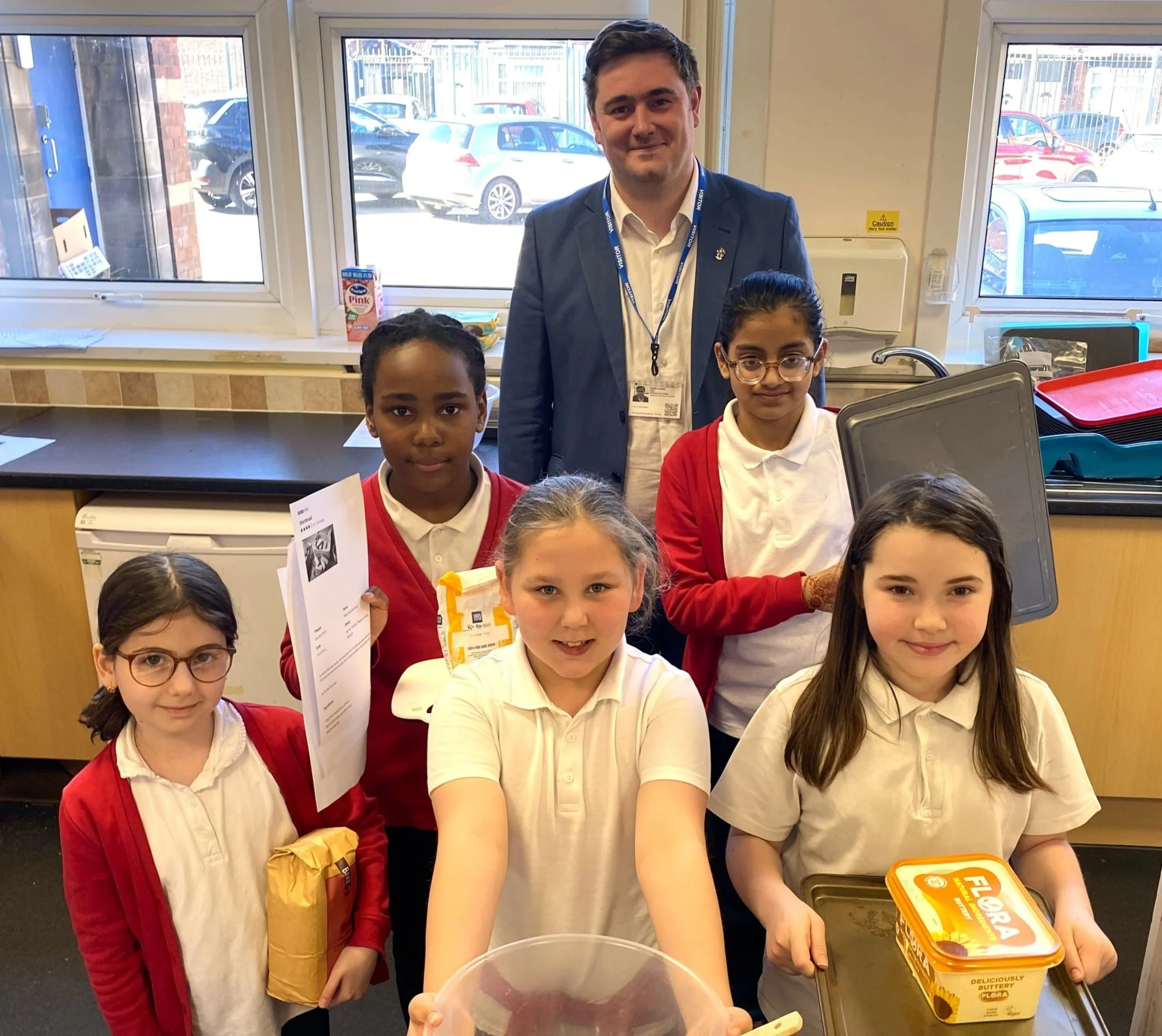
Explore the support available for children and families

Healthy eating in pregnancy
When you’re pregnant, your body needs extra care to help your baby grow strong and healthy. Eating different kinds of foods gives your baby the vitamins and energy they need. Try to eat plenty of fruit and vegetables, wholemeal bread, rice, or pasta, and lean meat, beans, or lentils.
It’s also important to include dairy foods or dairy-free alternatives, and small amounts of healthy fats like olive oil.
You should also take folic acid and vitamin D while you’re pregnant. These vitamins help your baby’s bones and brain develop properly. Healthy Start vitamins contain folic acid and vitamin D and are available for all pregnant and breastfeeding mums. You can find more information in the Healthy Start vitamin section.
Supporting healthy eating from the start
We know that a child’s early years are a really important time for building healthy habits. What children eat in their first few years of life can shape their health and wellbeing now and in the future.
In the first 6 months of life, breast milk gives babies all the nutrition (energy, vitamins and nutrients) they need to grow and develop. It also helps to protect them against infections and illnesses. We know that infant feeding looks different for every family, and we are here to support you whatever your journey looks like.
We want to make it easier for families, carers and early years settings to give children the best start by supporting healthy eating from the beginning.
Feeding your baby with confidence
We know that feeding your baby can sometimes feel difficult or confusing. You are not alone – there is lots of local support available to help you. You can find more information on the ‘Support’ pages for your area – Middlesbrough or Redcar & Cleveland.
When your baby is around 6 months old, you can start giving them solid foods (weaning) alongside their milk. It is normal to feel unsure about when and how to start. Visit the NHS Start for Life website or contact your Health Visitor for helpful advice to guide you through your baby’s weaning journey.
Helping little ones build healthy eating habits
As your child grows, their food needs change too. They will need three meals a day, along with two to three healthy snacks.
Try to include a variety of foods, with fruit and vegetables at every meal. Protein-rich foods like eggs, meat, fish or beans help your child grow, while whole grains and carbohydrates like rice, pasta or bread give them the energy they need to stay active and learn. Offer water or milk as their main drinks, instead of sugary drinks.
Children also learn by watching others. Sitting down to eat together when you can helps build healthy habits and makes mealtimes something to enjoy. Try to keep things relaxed and positive. It’s completely normal for toddlers to go through fussy eating phases – just keep offering a range of foods without pressure. Over time, they will learn to try and enjoy new things.
Visit the NHS Start for Life website for simple recipes and meal tips - you can even search by your child’s age to find what works best.
Even if your child seems to be eating well, they might still need a little extra support with vitamins – especially vitamin A and vitamin D. If your child is under four years old, you may be able to get free vitamins from your local family hub. You can find out more on the Healthy Start page.